 logo.png)
What Is Energy Efficient Architecture? A Complete Guide for Modern Sustainable Design
.jpg)
What is Energy Efficient Architecture?
Energy efficient architecture refers to the design and construction of buildings that consume minimal energy while maintaining comfort, functionality, and sustainability. These buildings use strategic planning, innovative materials, and smart technologies to reduce energy consumption for:
- Cooling and heating
- Lighting
- Ventilation
- Water usage
- Appliances and daily operations
In simple words, energy efficient architecture focuses on creating spaces that save energy, reduce costs, and cause minimal impact on the environment.
.jpg)
.jpg)
.jpg)
.jpg)
.jpg)
The Role of Energy Efficiency in Architecture
Energy efficiency is no longer an option—it is a responsibility. The construction sector is one of the largest contributors to global energy use and carbon emissions. Architects play a crucial role in shaping a sustainable future by designing buildings that:
- Consume less power
- Produce their own renewable energy
- Reduce carbon footprint
- Conserve natural resources
Energy efficiency bridges the gap between economic affordability, environmental responsibility, and long-term durability.
Key Principles of Energy Efficient Architecture
Designing an energy-efficient building requires a blend of climate-responsiveness, technology, and innovation. Below are the core principles:
a. Passive Design Strategies
Passive design uses natural elements—sunlight, wind, and shade—to regulate temperature.
- Natural ventilation
- Sun-path orientation
- Thermal mass
- Cross-ventilation
- Shading devices
- Courtyards and verandas
b. Building Orientation & Site Planning
Proper building placement can maximize daylight and minimize heat gain. For example:
- Orienting living spaces north/south
- Minimizing harsh western exposure
- Using landscape elements for privacy and shade
c. High-Performance Building Materials
Energy efficient buildings use smart materials such as:
- Insulated walls
- Low-E glass
- Double/triple glazing
- Reflective roofing
- AAC blocks or rammed earth
These materials improve insulation and reduce energy loss.
d. Efficient HVAC and Lighting Systems
Efficient architecture integrates:
- Solar PV panels
- LED lighting
- Smart sensors
- High-efficiency heat pumps
- Energy-efficient appliances
Technology plays a key role in reducing operational energy.
e. Water Efficiency
Modern green buildings incorporate:
- Rainwater harvesting
- Greywater recycling
- Low-flow fixtures
- Drip irrigation
Water efficiency is essential for sustainability.
f. Renewable Energy Integration
Solar, wind, and geothermal energy sources reduce dependency on the grid and lower electricity costs.
.jpg)
.jpg)
.jpg)
.jpg)
Benefits of Energy Efficient Architecture
Energy-efficient buildings offer benefits that extend beyond cost savings.
1. Reduced Energy Bills
Better insulation, smart lighting, and efficient appliances significantly lower electricity consumption.
2. Lower Environmental Impact
Energy-efficient buildings cut greenhouse gas emissions and reduce the overall carbon footprint.
3. Enhanced Indoor Comfort
Improved insulation, ventilation, and daylighting create healthier, more comfortable spaces.
4. Higher Property Value
Green-certified and energy-efficient properties have higher market value and appeal to responsible buyers.
5. Reduced Maintenance Costs
Quality materials and smart systems lead to lower repairs and longer building life cycles.
Challenges in Implementing Energy Efficient Architecture
While beneficial, the implementation comes with challenges.
1. Higher Initial Cost
High-performance materials and technologies can increase upfront costs.
2. Lack of Awareness
Builders and homeowners may not fully understand long-term benefits.
3. Climate-Specific Knowledge
Architects must tailor designs based on local climate zones, which requires expertise.
4. Technical Limitations
Some renewable systems depend on climate conditions (e.g., solar access).
5. Regulatory Barriers
Not all regions have strong policies supporting energy-efficient construction.
Future Trends in Energy Efficient Architecture
As sustainability becomes essential, architecture is evolving rapidly.
a. Net-Zero Energy Buildings
Buildings that generate as much energy as they consume.
b. Passive House Standards
Ultra-efficient designs requiring minimal heating/cooling.
c. Smart Building Automation
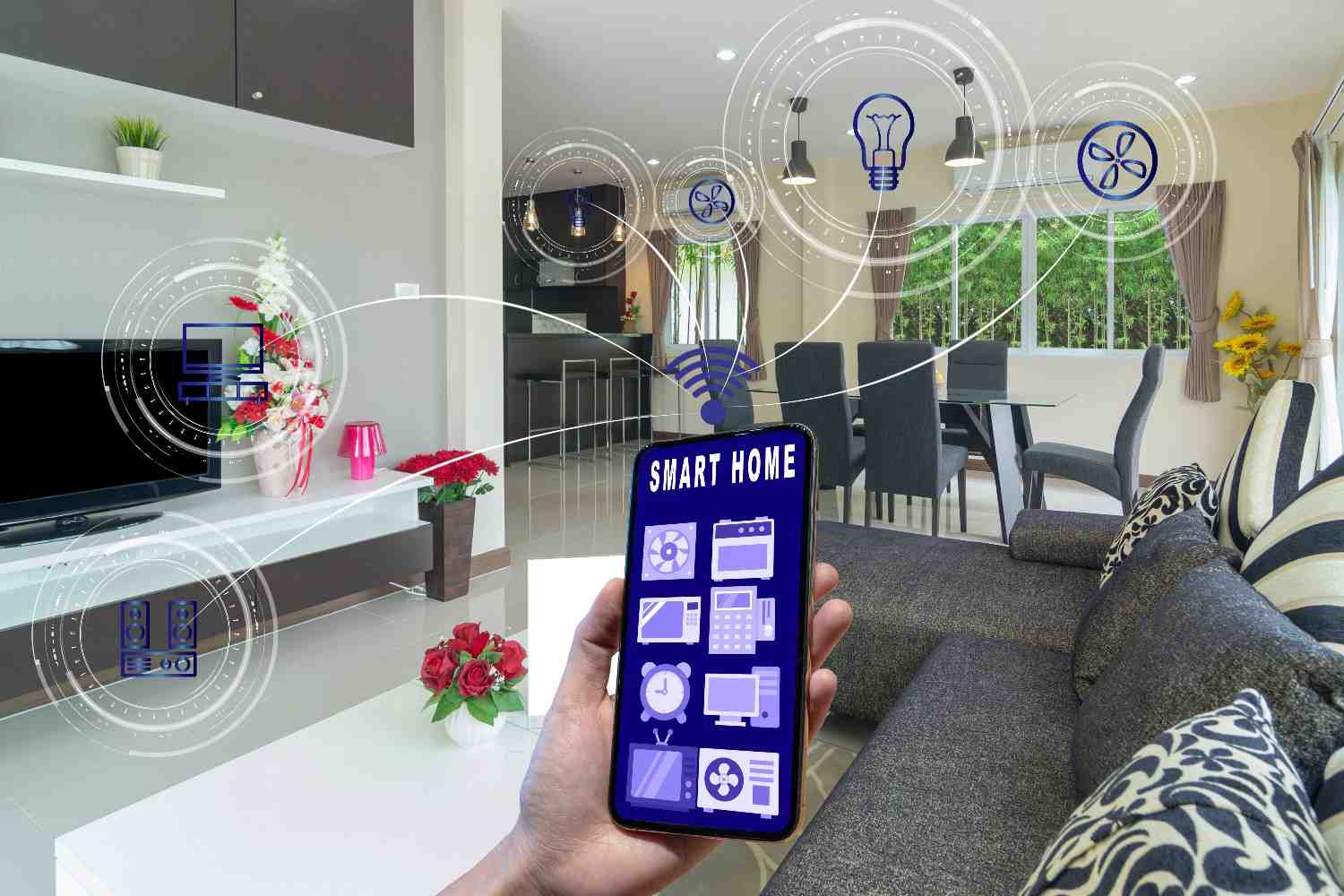
IoT sensors that manage lighting, HVAC, and energy use.
d. Carbon-Neutral Construction Materials
New materials like hempcrete, mass timber, and low-carbon concrete.
e. Biophilic Design
Integrating nature into architecture to improve mental and physical wellness.
f. Modular & Prefab Construction
Factory-built components reduce waste and improve efficiency.
Future of Green Buildings
The future of architecture is undeniably green, efficient, and technology-driven. Buildings of tomorrow will:
- Generate their own clean energy
- Use AI to optimize electricity and comfort
- Use recycled and carbon-neutral materials
- Blend nature and design harmoniously
- Focus on long-term sustainability
Governments, architects, and homeowners are increasingly embracing the efficiency mindset, driving rapid adoption of green architecture across the world.
Conclusion
Energy efficient architecture is reshaping the future of the built environment. By combining passive design, advanced materials, and smart technologies, architects can create buildings that are environmentally responsible, cost-efficient, and comfortable for occupants. As sustainability becomes a global priority, energy-efficient design is not just a trend—it is the foundation of modern architecture.
.jpg)